Luxury Vinyl Plank Versus Hardwood Material Options in Flooring Services
Choosing the right flooring can influence the appearance, comfort, durability, and maintenance needs of a home. Among the many materials available through flooring services, Luxury Vinyl Plank (LVP) and hardwood remain two of the most popular options for residential interiors. Both can create an attractive wood-inspired look, yet they differ considerably in cost, moisture resistance, upkeep, installation, and long-term performance. Understanding these differences can help homeowners select a material that fits their lifestyle, budget, and design goals.
Understanding Luxury Vinyl Plank
Luxury Vinyl Plank, commonly known as LVP, is an engineered flooring product designed to resemble natural wood. It is usually built from several layers, including a protective wear layer, a printed design layer, a stable core, and a backing layer. These components create a durable surface, while high-definition printing and embossing reproduce wood grain, knots, and texture with impressive detail.
One reason homeowners consider LVP when comparing flooring services is its broad design flexibility. It is available in colors ranging from pale oak and weathered gray to rich walnut and deep brown. Planks also come in different widths, lengths, textures, and finishes, allowing the material to coordinate with traditional, rustic, modern, or transitional interiors.
Durability and Maintenance of LVP
LVP is valued for its resistance to scratches, stains, dents, and moisture. Its wear layer helps protect the decorative surface from routine household activity, making it a practical option for homes with children or pets. Many LVP products are also suitable for kitchens, bathrooms, laundry rooms, and other areas where occasional spills are common. Unlike natural wood, vinyl does not react to moisture in the same way, although proper installation and cleanup are still important.
Maintenance is relatively simple. Routine sweeping or vacuuming removes grit that could dull the surface, while occasional damp mopping can handle ordinary dirt and spills. With proper care, LVP can remain attractive for many years. Its low-maintenance nature makes it especially appealing to homeowners who want a polished appearance without an intensive upkeep routine.
LVP Cost and Environmental Considerations
Cost is another reason LVP is frequently selected for renovation projects. Material prices are generally lower than those of solid hardwood, and installation can also be less labor-intensive. Many products use click-lock systems that simplify placement and reduce the need for nails or adhesives. According to HomeGuide, flooring installation commonly takes about one to three days, depending on room size and the amount of subfloor preparation required. Homeowners comparing flooring services should still request project-specific estimates because preparation and layout complexity can affect the price.
Environmental considerations vary by manufacturer. LVP is a synthetic material and is not biodegradable in the same way as wood, but some products incorporate recycled content or use production methods intended to reduce waste. Low-VOC certifications can also help homeowners identify products designed to limit chemical emissions into indoor air. Buyers focused on sustainability may want to compare certifications, manufacturing practices, lifespan, and disposal options.
Understanding Hardwood Flooring
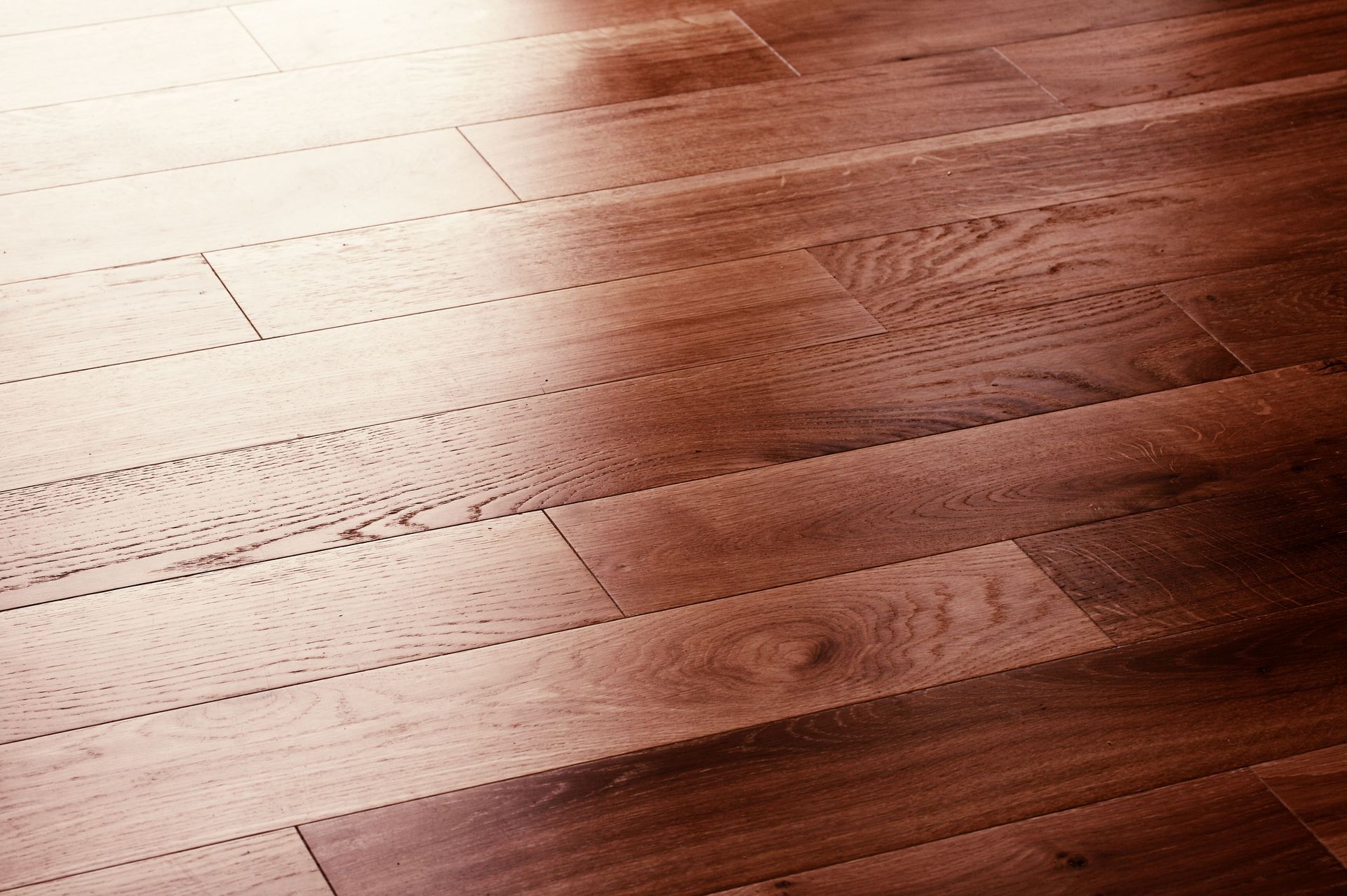
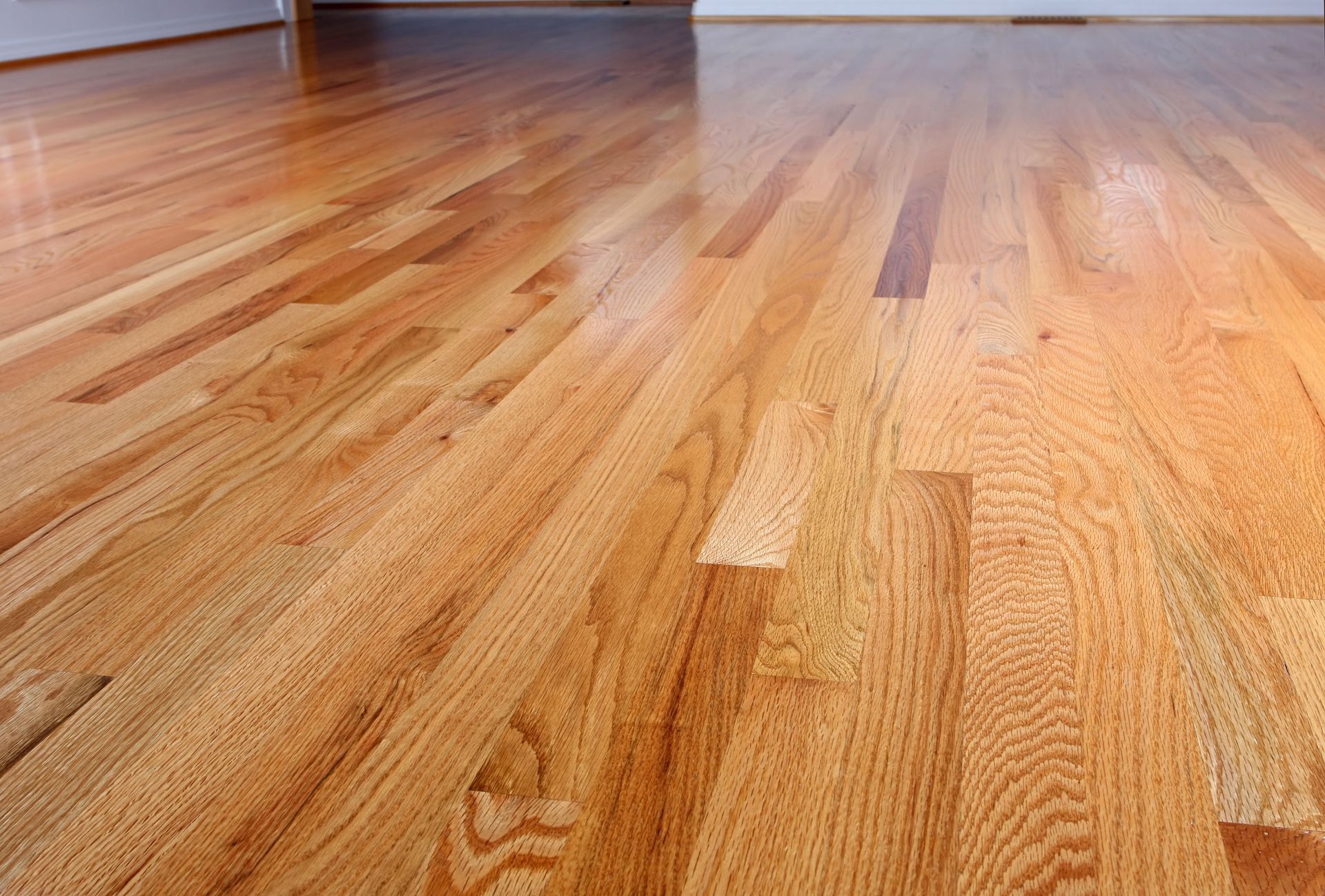
Hardwood flooring is made from natural wood species such as oak, maple, hickory, cherry, and walnut. Each species has its own grain pattern, color range, hardness, and character. Because the planks are cut from real timber, natural variation is part of the finished appearance. No two boards are exactly alike, which gives hardwood a level of authenticity that manufactured flooring can only imitate.
Hardwood is available in numerous stains, finishes, plank widths, and surface treatments. Smooth finishes offer a clean and refined appearance, while wire-brushed, distressed, or hand-scraped surfaces add texture and visual depth. Homeowners working with flooring services can often customize the finished look by selecting a wood species, stain color, sheen level, and plank format that complement the surrounding architecture and furnishings.
Hardwood Longevity and Upkeep
One of hardwood's most significant advantages is its potential lifespan. With proper installation and care, a quality hardwood floor can last for decades and may even remain in a home for generations. Solid hardwood can often be sanded and refinished multiple times, allowing scratches, worn areas, and outdated finishes to be renewed rather than requiring complete replacement. This ability to restore the surface contributes to hardwood's long-term appeal.
Hardwood does require more maintenance than LVP. Dirt and grit should be removed regularly because they can scratch the finish. Excess water should also be avoided, as moisture may cause swelling, cupping, warping, or staining. Periodic refinishing may eventually be needed depending on traffic and wear. Many homeowners accept these maintenance needs in exchange for hardwood's natural warmth and character.
Sustainability and Sourcing of Hardwood
Environmental impact is closely connected to how hardwood is sourced. Responsibly managed forests can provide renewable wood while supporting long-term forest health. Certifications such as those offered by the Forest Stewardship Council can help buyers identify products associated with responsible forestry practices. Consumers may also ask flooring services about wood sources, manufacturing standards, and certified products.
Hardwood can be recyclable and biodegradable, although harvesting, milling, transportation, and finishing still create environmental impacts. The long usable life of hardwood can offset some of these impacts because the material may not need to be replaced as often as shorter-lived flooring.
Comparing Installation Requirements
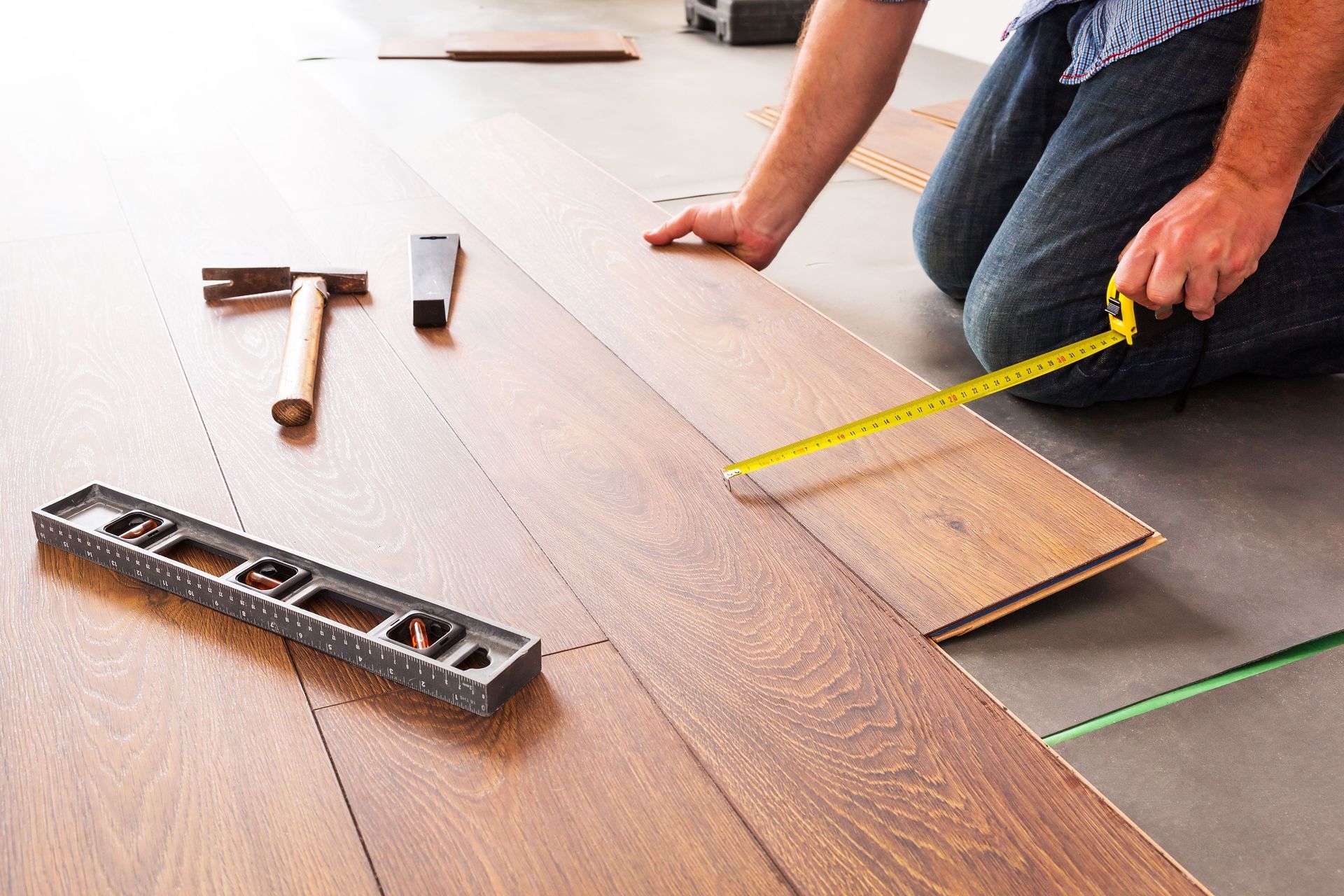
LVP installation is generally more straightforward than hardwood installation. Click-lock planks can often be installed as a floating floor over an appropriately prepared subfloor. The surface must still be clean, flat, and dry, and careful measurements are needed around walls, doorways, cabinets, and transitions. DIY installation is possible, although professional work can reduce gaps, uneven cuts, and subfloor-related problems.
Hardwood installation is more complex, and the wood may need time to acclimate to room temperature and humidity. Depending on the product and subfloor, planks may be nailed, stapled, or glued in place. Expansion spacing, moisture conditions, layout, and fastening techniques must be handled carefully to reduce future movement. Homeowners using professional flooring services for hardwood may benefit from experienced installers who can evaluate these conditions before work begins.
Choosing Between LVP and Hardwood
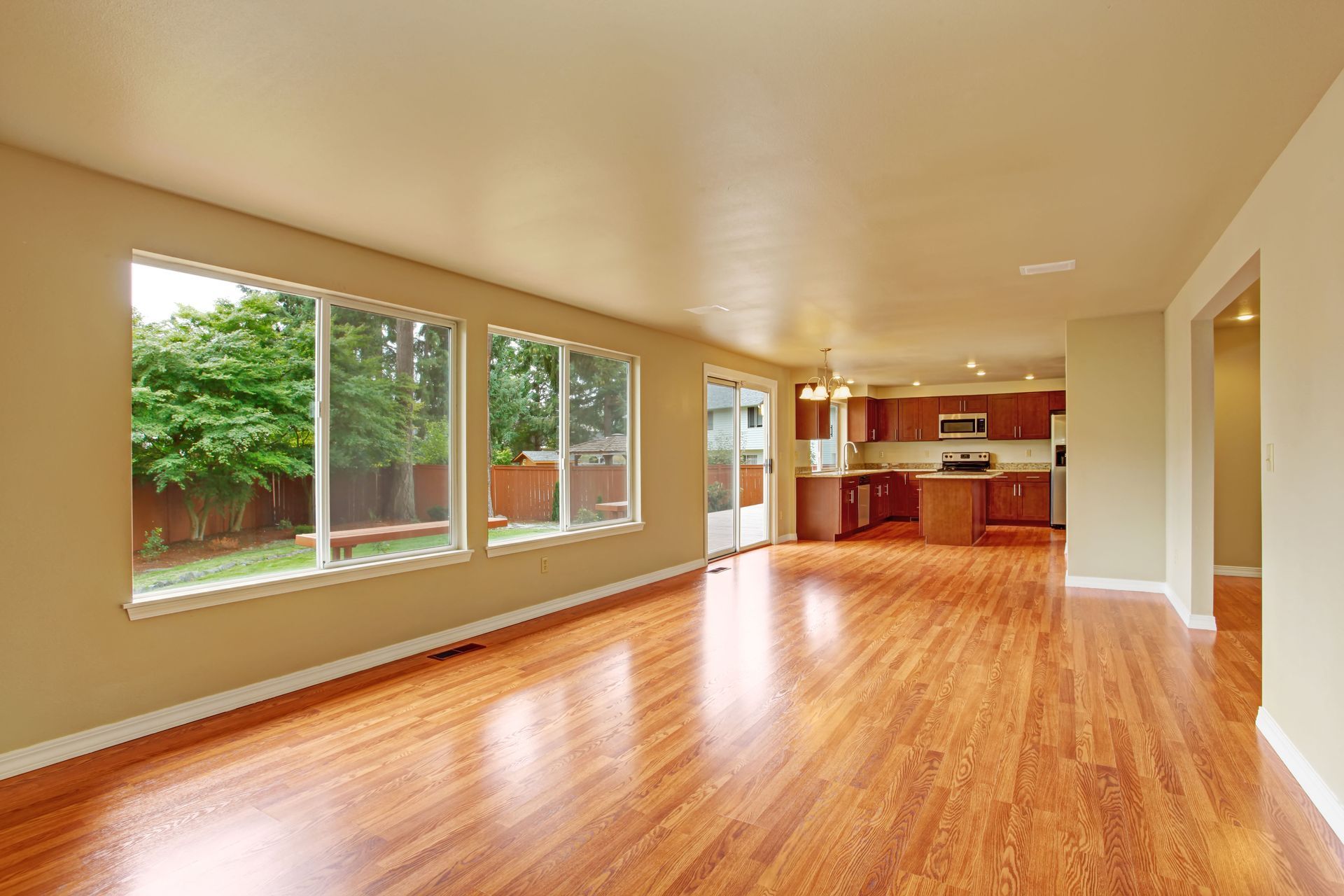
The best choice depends on how the room will be used and what the homeowner values most. LVP may be preferable in areas where moisture resistance, easy cleaning, lower upfront cost, and fast installation are priorities. It is also useful for households that want a wood-inspired appearance without the maintenance requirements of natural timber. Hardwood may be the stronger choice for homeowners who prioritize authenticity, refinishing potential, natural variation, and long-term visual appeal.
Budget should include subfloor preparation, removal, trim, maintenance, repairs, and future refinishing as well as the purchase price. Comparing samples in the actual space can make it easier to judge color, texture, and how the material looks under natural and artificial light. Homeowners should also consider room traffic, exposure to moisture, pets, and cleaning habits before committing to either material.
Making a Practical Flooring Decision
Both LVP and hardwood can be excellent choices when matched to the right environment. LVP offers durability, moisture resistance, design variety, and comparatively simple maintenance, while hardwood provides natural beauty, longevity, and the ability to be refinished. Each material has strengths suited to different households and spaces.
Before making a final decision, homeowners should review manufacturer warranties, maintenance requirements, room conditions, installation needs, and overall project costs. Experienced flooring services can help evaluate subfloor conditions, explain product limitations, and identify options that align with the intended use of each room. Taking the time to compare performance as well as appearance can lead to a floor that remains functional and attractive for years. Contact our team at A&R Hardwood Flooring today and learn more about our flooring services.
Share On: