What to Look for in Custom Hardwood Flooring
Choosing the right materials for your home plays a major role in comfort, style, and long-term value. Flooring, in particular, sets the mood of every room and influences how your space looks and feels. Many homeowners turn to hardwood flooring because it blends beauty with lasting durability. This guide explores the key factors to consider so you can feel confident and well-informed when making your final decision.
Understanding Hardwood Types
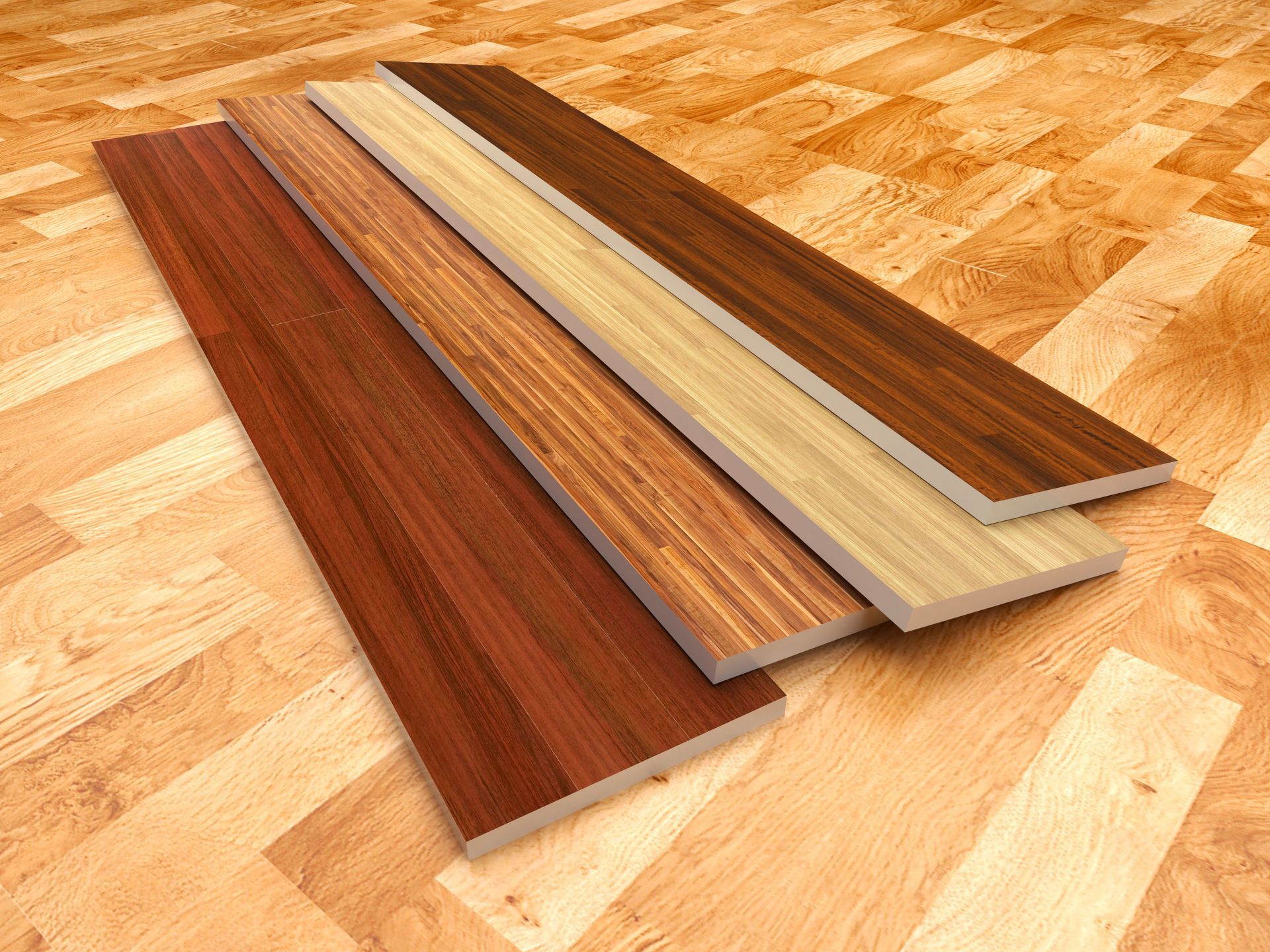
The first step in choosing the best hardwood flooring is learning about the different types available. Solid hardwood planks are made from a single piece of wood, which gives them exceptional strength and the ability to be refinished multiple times. Engineered hardwood, on the other hand, is built from layers of wood with a top veneer that offers stability and better moisture resistance. Both types offer distinct advantages, making it easier for homeowners to match their needs with the right product. Understanding these differences early on helps ensure you invest in a flooring option that meets your long-term expectations.
Domestic species like oak, maple, and cherry remain popular for their timeless appearance and reliable performance. Each wood type carries its own grain patterns, colors, and density levels, allowing homeowners to choose styles that match their décor. Domestic woods tend to be easier to source, which keeps costs more manageable than imported options. Moreover, these species usually have a smaller environmental impact, making them a responsible choice for eco-conscious buyers. Their familiar look and dependable quality also make them a versatile option for a wide range of home designs.
Exotic hardwoods such as Brazilian cherry and teak create bold visual statements due to their rich colors and impressive hardness. However, these premium choices often come with higher price tags and limited availability. When exploring exotic products, it's important to verify that the wood is harvested responsibly to support sustainable forestry. While exotic species can transform a room, their long-term availability and cost should be weighed carefully. Homeowners should also consider whether the dramatic appearance of exotic wood will blend well with their existing décor and future design plans.
Evaluating Wood Quality
Wood grading is a key factor when selecting custom hardwood flooring, as it determines the overall look of the planks. Higher grades have fewer knots and a smoother, more consistent appearance, making them ideal for modern or formal spaces. Character grades, which show more texture and natural markings, are great for homeowners seeking a cozy or rustic style. Choosing the right grade ensures the final floor matches your design vision.
Moisture content plays a major role in the performance and longevity of wood floors, making it one of the most important factors to consider before installation. This is especially true in regions with hot summers, cold winters, or consistently high humidity, where wood naturally expands and contracts. When homeowners understand how climate affects wood, they can take steps to prevent warping, cupping, or gaps from developing. Proper acclimation, moisture testing, and climate control all help protect the floor from long-term damage. By paying attention to moisture conditions early on, homeowners can avoid costly issues and enjoy a stable, beautiful floor for years.
Every piece of real wood has unique grain patterns, mineral streaks, and color shifts. Rather than viewing these as flaws, many homeowners see them as part of the charm that makes hardwood so appealing. Surface textures can enhance the character of each plank. These natural differences contribute to flooring that feels warm, personalized, and truly one of a kind.
Choosing the Right Finish
The finish you choose will influence how your floors look and how well they hold up over time. Prefinished wood is coated at the factory, offering consistent quality and quicker installation. Site-finished floors are treated inside the home, allowing for custom staining and a seamless, smooth surface. Both choices are durable, but the best one depends on your schedule, design goals, and desire for customization.
Finish sheen has a big effect on the overall appearance of hardwood floors. Matte finishes are ideal for busy households because they hide scratches and footprints more effectively. Glossy finishes create a brighter, polished look but show imperfections more easily. Satin finishes provide a balanced option, delivering a soft sheen that complements almost any interior style.
Understanding Durability and Environmental Impact
Durability is a top priority for most homeowners. In fact, according to Fixr, 83% of homeowners prioritize durability when selecting flooring. Along with choosing a tough finish, it's helpful to review products for VOC content and environmental safety. Many brands now offer low-VOC or eco-friendly finishes designed to reduce fumes and support healthier indoor air quality. Taking time to compare finish options ensures a result that stays beautiful even in high-traffic rooms.
Planning for Proper Installation
A lasting hardwood installation begins with proper subfloor preparation. This includes cleaning the surface, leveling uneven areas, and checking moisture levels to create a stable foundation. A clean and dry subfloor reduces the likelihood of future problems like squeaking or buckling. Skipping this step can shorten the lifespan of your new flooring, so it's worth doing right.
There are several installation methods to choose from, and each one works best in certain situations. Nail-down installation is a classic method, especially for solid hardwood. Glue-down installations are often recommended for engineered floors because they enhance stability and reduce noise. Floating floors are easy to install and don't require nails or glue, but they must be fitted carefully to avoid shifting over time.
Wood naturally expands and contracts when temperatures or humidity levels change. For this reason, letting hardwood acclimate before installation is essential. This simple step reduces the risk of gaps or warping later on. While DIY projects can be rewarding, hiring a professional installer ensures every step is completed correctly and helps protect your long-term investment.
Budgeting and Cost Considerations
Budget plays a big role when selecting custom hardwood flooring, as prices vary widely depending on species, grade, and brand. Domestic woods usually come at a more moderate cost, while exotic species can be significantly more expensive. Premium finishes or specialty cuts may also raise the price. Understanding how each option affects cost helps homeowners stay within budget without sacrificing quality.
Installation prices can change based on job complexity, room size, and the chosen installation method. Although DIY projects may seem cost-effective, mistakes can lead to expensive repairs later on. Professional installers bring experience and specialized tools that help ensure a smooth, lasting result. Gathering several estimates gives homeowners a better sense of average installation costs in their area.
Hardwood floors offer long-term value, but maintenance costs should also be factored in. Over time, refinishing may be needed to restore shine or repair surface scratches. Homeowners should also consider expenses linked to removing old flooring, fixing subfloor issues, or purchasing cleaning products. For those seeking budget-friendly alternatives, options like laminate or engineered wood can replicate hardwood aesthetics at a lower price.
Custom hardwood flooring is a meaningful investment that can dramatically improve the beauty and function of your home. By taking time to learn about materials, finishes, and installation methods, you can choose flooring that matches your lifestyle and design goals. With the right planning, your new floors will look great and last for years. Whether you prefer a classic or modern style, hardwood flooring remains a trusted choice for long-term value and everyday comfort. If you're looking for hardwood flooring that will elevate your home's aesthetic, contact A&R Hardwood Flooring today.
Share On: